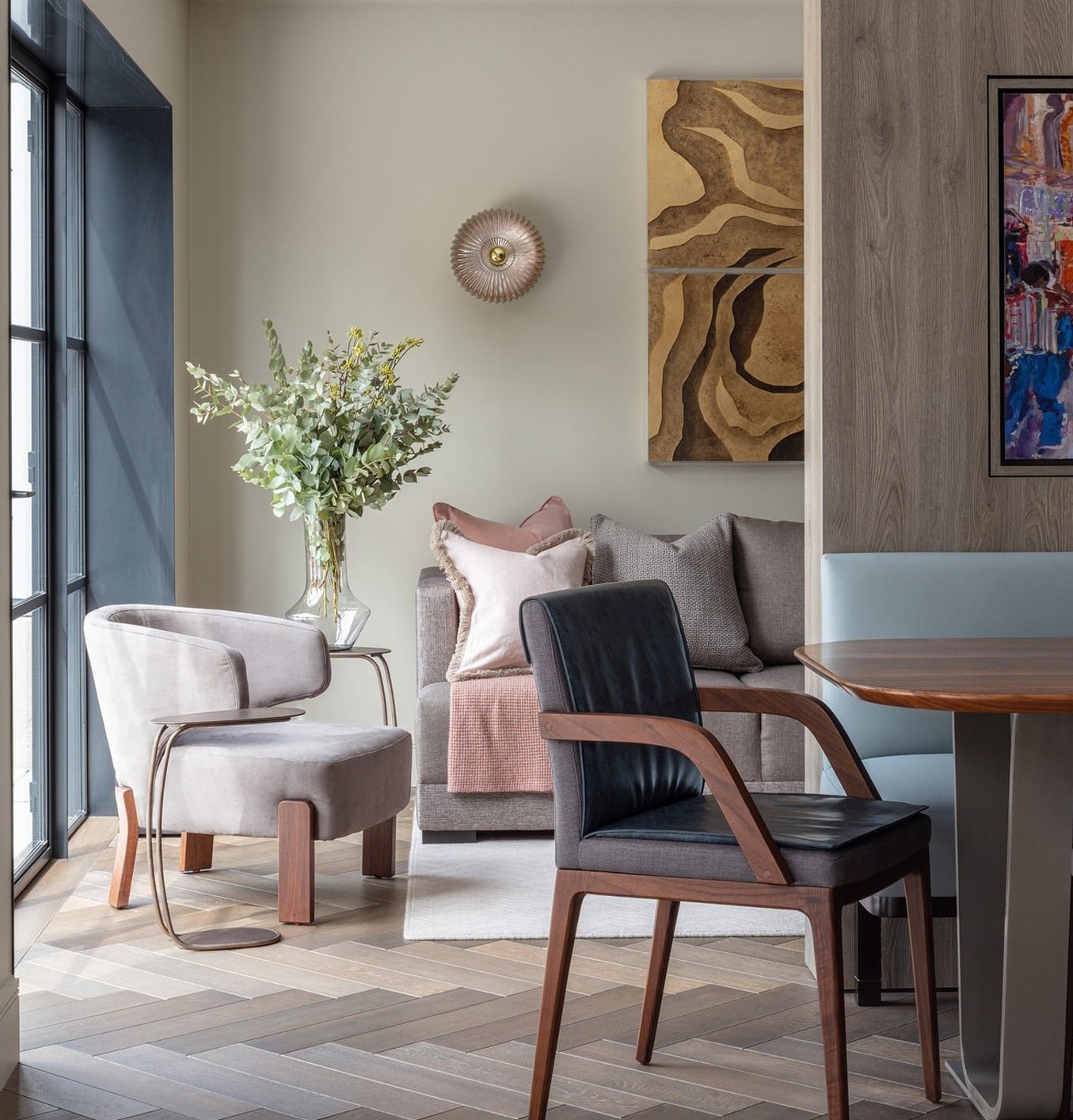
A home is shaped as much by what happens within it as by the things we place inside it.
The first coffee of the morning. Where we leave our keys when we come through the door. Cooking together at the end of the day. Closing a study door when work is finished. Reading in a favourite chair. Drawing the curtains before bed. These small rituals become part of the rhythm of a home. And over time, they change.
The idea of a completed home is therefore something of a useful fiction. It gives a project a moment of resolution, when the designer steps back and the client steps in. But the homes that endure are rarely frozen at that point. They grow with the people and patterns who live and grow within them.
New art is acquired. Furniture is inherited. Children grow up. A room once used for one purpose takes on another. Even the way a family cooks, entertains or spends time together can change.
For a residential interior designer in London, understanding these patterns of everyday life is fundamental. The goal is not simply to create a beautiful home for the moment of completion, but a considered framework for living, one that supports the rituals of today while having the capacity to accommodate those that come next.
Designed Around the Everyday
Good design often reveals itself in remarkably ordinary moments.
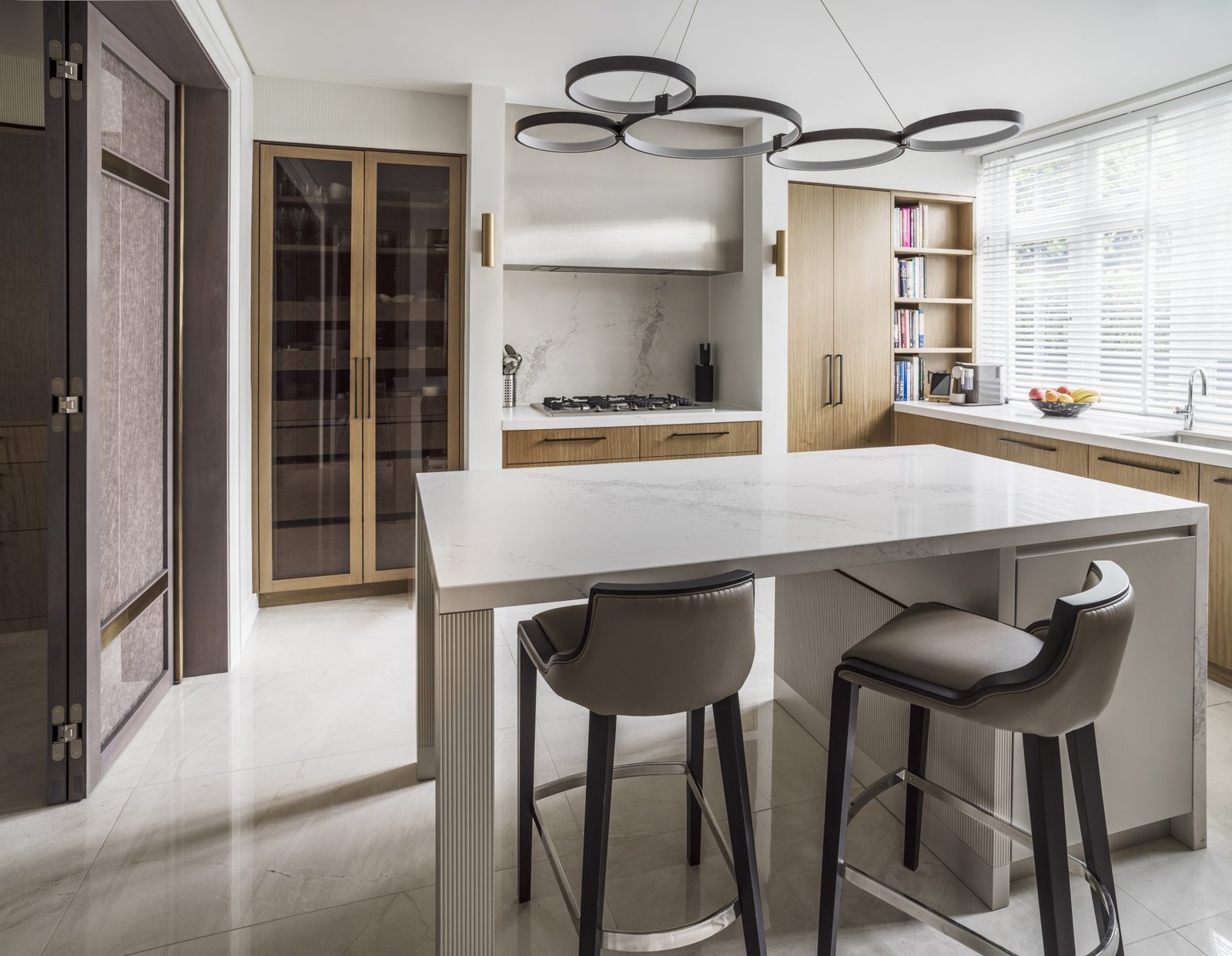
A kitchen island may be where breakfast is eaten on a weekday morning and where friends gather with a glass of wine on Saturday evening. A window seat becomes somewhere to read, pause or simply look outside. A piece of bespoke joinery might conceal a workspace at the end of the working day, allowing the same room to return to family life.
These moments may appear incidental, but they are precisely the kind of information that shapes the design process.
Understanding how a client moves through their home, where they naturally gather, what they reach for every day and what they would rather put away allows spatial planning, storage, lighting and material choices to respond to real behaviour rather than an abstract idea of how a room should function.
And those behaviours will inevitably evolve. The strongest interiors have enough structure to support them without prescribing them too rigidly.
The Home That Grew With Its Family
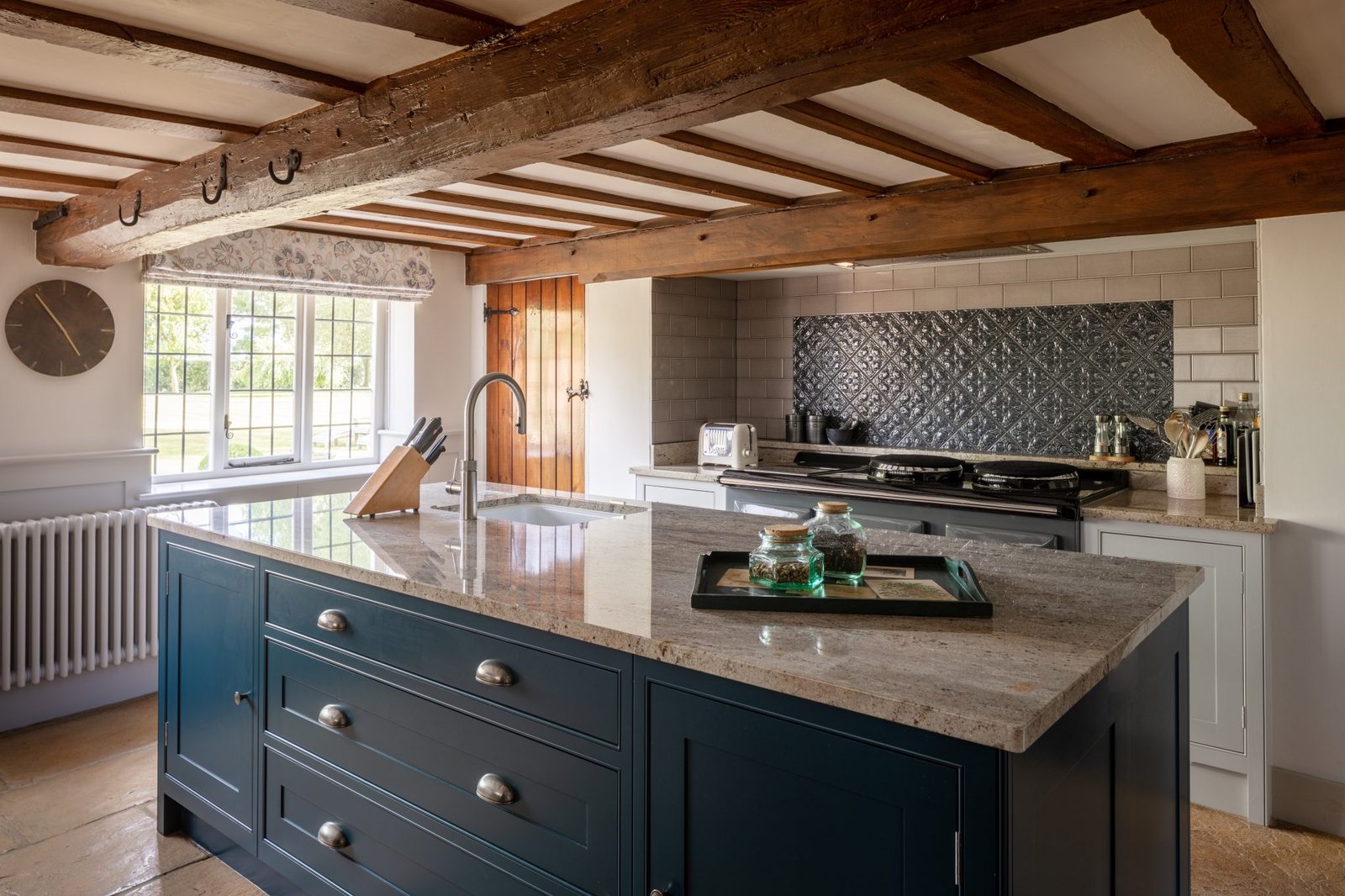
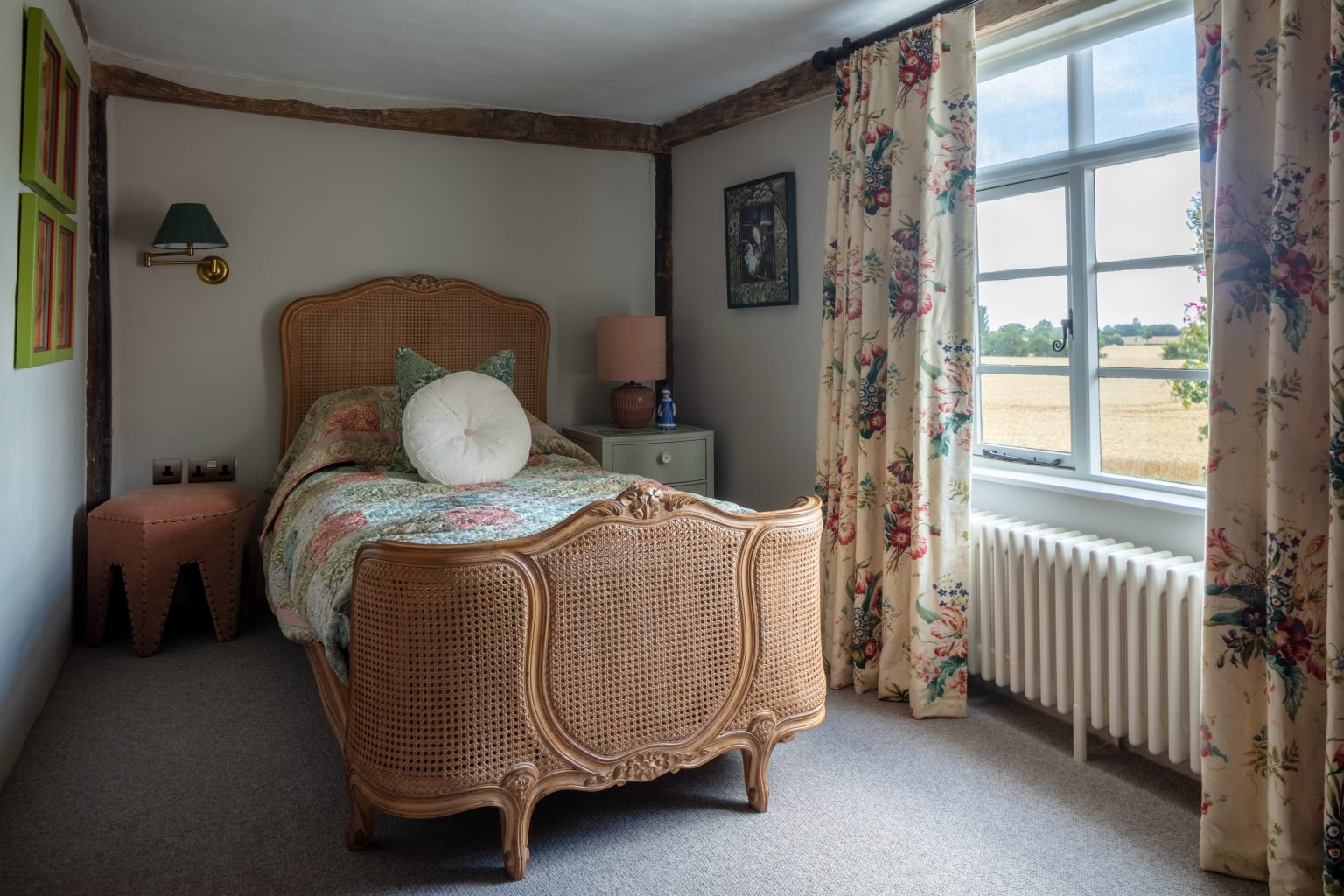
At River Farm, our seventeenth-century farmhouse in Suffolk, we were designing for a home that had already evolved through more than forty years of family life. It was not a blank canvas, but a home already rich with history, character and the accumulated evidence of decades of family life.
The brief was not to start again. It was to support a more contemporary, intuitive way of living while respecting everything the building already held. The centuries-old beams were not a problem to be solved, but a foundation to work from. A neutral palette, soft grey panelling and teal Shaker cabinetry brought a fresh layer to the kitchen while allowing the farmhouse's original character to continue leading.
Importantly, this remained a family kitchen: somewhere to cook, gather and move through the routines of everyday life. The design needed to make those rituals easier without erasing the familiarity and history already embedded in the house.
The result feels refreshed yet deeply familiar. Contemporary in its ease, but faithful to its heritage. It is not the beginning of a new story so much as another chapter in one that was already well underway.
Making Room for What Comes Next
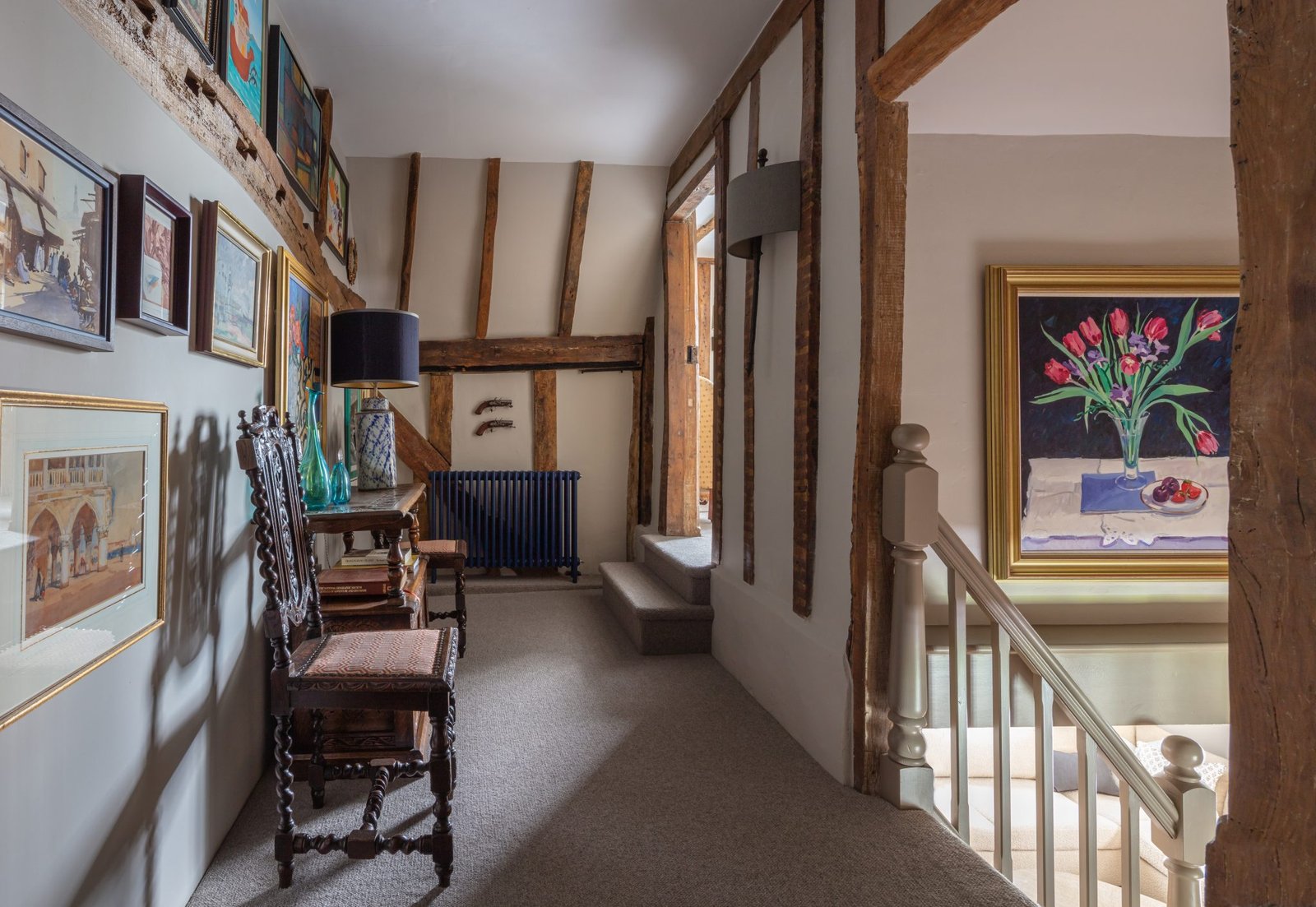
Art is often where the evolution of a home becomes most visible. A collection rarely arrives all at once. It builds through travel, discovery, instinct and significant moments in life. A painting acquired in one city, a print found in another, a commissioned piece marking an occasion.
Objects accumulate meaning in much the same way. An inherited chair. A ceramic carried home from a trip. A lamp that has somehow found its place in three different houses.
A well-resolved interior should be able to welcome these additions.
That does not mean deliberately leaving blank walls or unfinished spaces. It means establishing enough clarity in the architecture, palette and material language that something new can enter the room without unsettling everything around it.
The home gains another layer, and the story continues.
When Rituals Change
Perhaps the clearest sign of a home evolving is when the way a room is used begins to change.
A study becomes a nursery. A playroom becomes somewhere teenagers retreat with friends. A formal dining room begins to serve another purpose. Working patterns change. Children leave home. Entertaining becomes more or less important. The rituals around which a home was originally designed shift with them.
This is why the brief needs to look beyond how a client lives today. It should also consider where flexibility might be valuable in five or ten years' time.
The spaces that adapt most successfully tend to be those where the foundational decisions, proportion, circulation, natural light, storage and materiality, were carefully considered from the outset. Rather than designing every room so specifically that it can only be used in one way, there is value in allowing some spaces the freedom to evolve.
The architecture provides the framework. Life determines what happens within it.
The Luxury of Everyday Rituals
Luxury in a home is not reserved for extraordinary occasions. Often, it is found in making the most ordinary parts of the day feel effortless.
A bathroom designed around the ritual of getting ready in the morning. A dressing room where everything has its place. Lighting that changes the atmosphere as evening draws in. A kitchen planned around the way its owners genuinely cook. Somewhere comfortable to sit with the first coffee of the day.
These are small moments, repeated hundreds of times over the course of a year. Their cumulative effect on how a home feels to live in is enormous.
For us, this is where residential interior design becomes particularly personal. We are not simply designing rooms and then asking clients to inhabit them. We are understanding the rituals already present in their lives and considering how the architecture and interior can support them.
As explored in The Art of the Brief, that understanding begins with careful listening. The rituals may seem small when discussed around a table at the beginning of a project, but collectively they tell us an enormous amount about what a home needs to do.
Because ultimately, a home is not experienced as a collection of rooms. It is experienced through the life that happens within them.