

A great interior design project does not begin with a mood board. It does not begin with fabric swatches, paint charts, or a tour of the showroom. It begins with a conversation, and the insight drawn from that conversation shapes everything that follows.
At Roselind Wilson Design, we believe that the brief is one of the most underestimated parts of the design process. It is where trust is built, where a home’s story starts to take shape, and where the difference between a beautiful interior and one that feels truly personal is decided. We invest a great deal of time immersing ourselves in our clients’ worlds, because getting this right requires skill, patience, and a genuine curiosity about how people live. Perfecting timeless interiors that support the way you live is not straightforward, and that is where a highly skilled design team comes into its own.
A Portrait, Not a Checklist
A brief is not simply a list of requirements. It is the candid portrait of a life in motion: habits, preferences, aspirations, and rituals which move our clients through their day. A well-constructed brief captures not just what a client wants to see in a room, but how they want to feel when they are in it.
For a residential interior designer, extracting that kind of insight takes more than asking “what is your budget?” or “do you prefer modern or traditional?” It requires the ability to listen beneath the surface, to notice the details a client mentions in passing and recognise what they reveal. It means asking the right questions and knowing what to do with the answers.
The Questions That Matter Most
Some of the most revealing conversations in a brief happen around the mundane. How does your household actually use this space? Where do you gravitate to when you want to feel calm? Where does clutter tend to gather? What do you dislike about your home right now? What have you always admired in someone else’s?
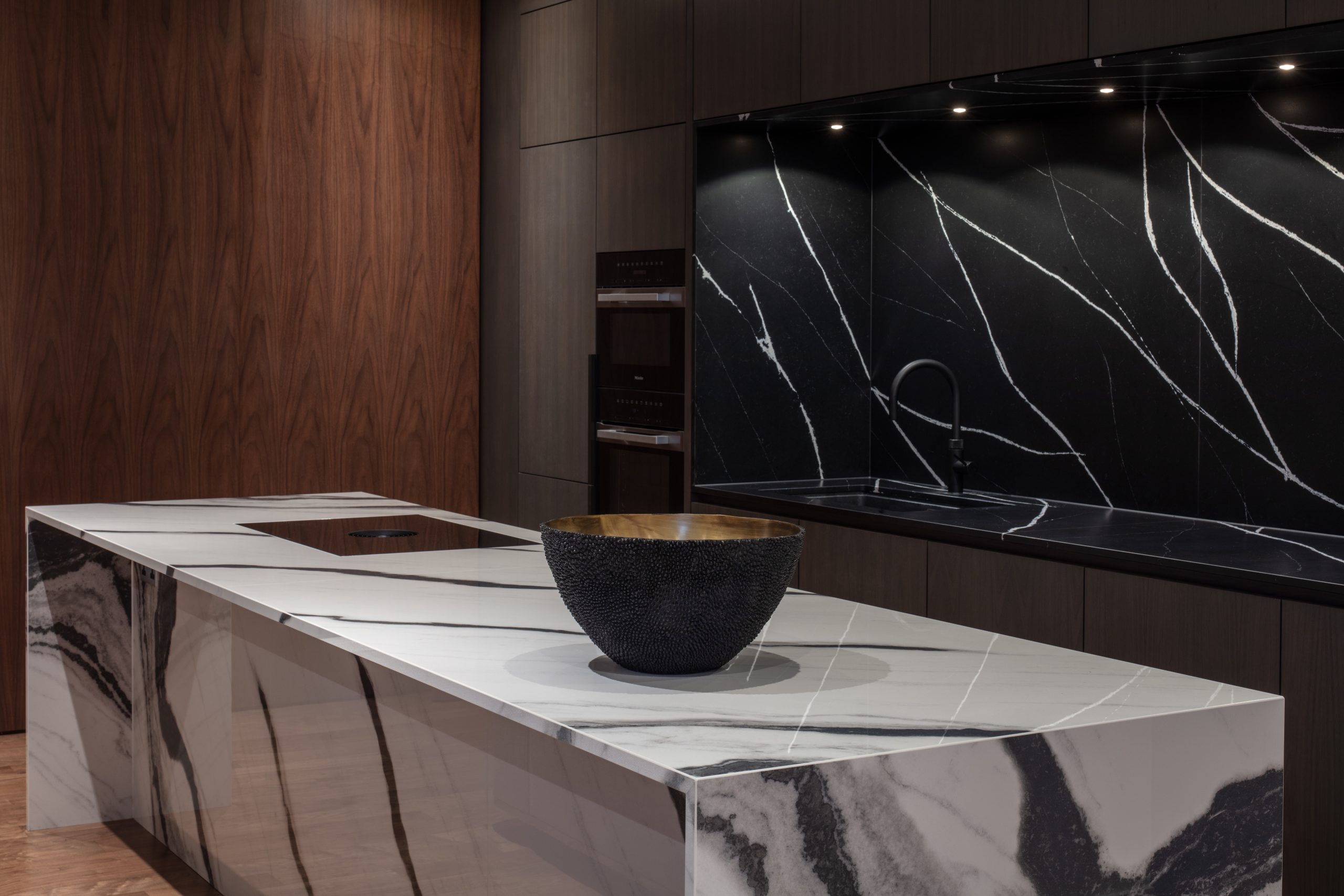
References matter enormously. When our Knightsbridge client described wanting their Victorian apartment to feel like a favourite Lake Como hotel, sensorial, indulgent, chic, that single reference unlocked an entire design language. It pointed towards rich materials, ambient lighting, and a pared-back modern aesthetic that felt luxurious rather than cluttered. From that conversation came walnut-clad walls, a monolithic black and white marble kitchen island, and a finish that balanced minimalist drama with quiet luxury. None of that would have been possible without the brief. You can see the result in our Knightsbridge project.
References work in both directions too. Understanding what a client actively dislikes is just as valuable as understanding what they love. A client who says “I don’t want it to feel like a hotel” is telling you something essential about the warmth and personality they are seeking.
The Invisible Architecture of a Home
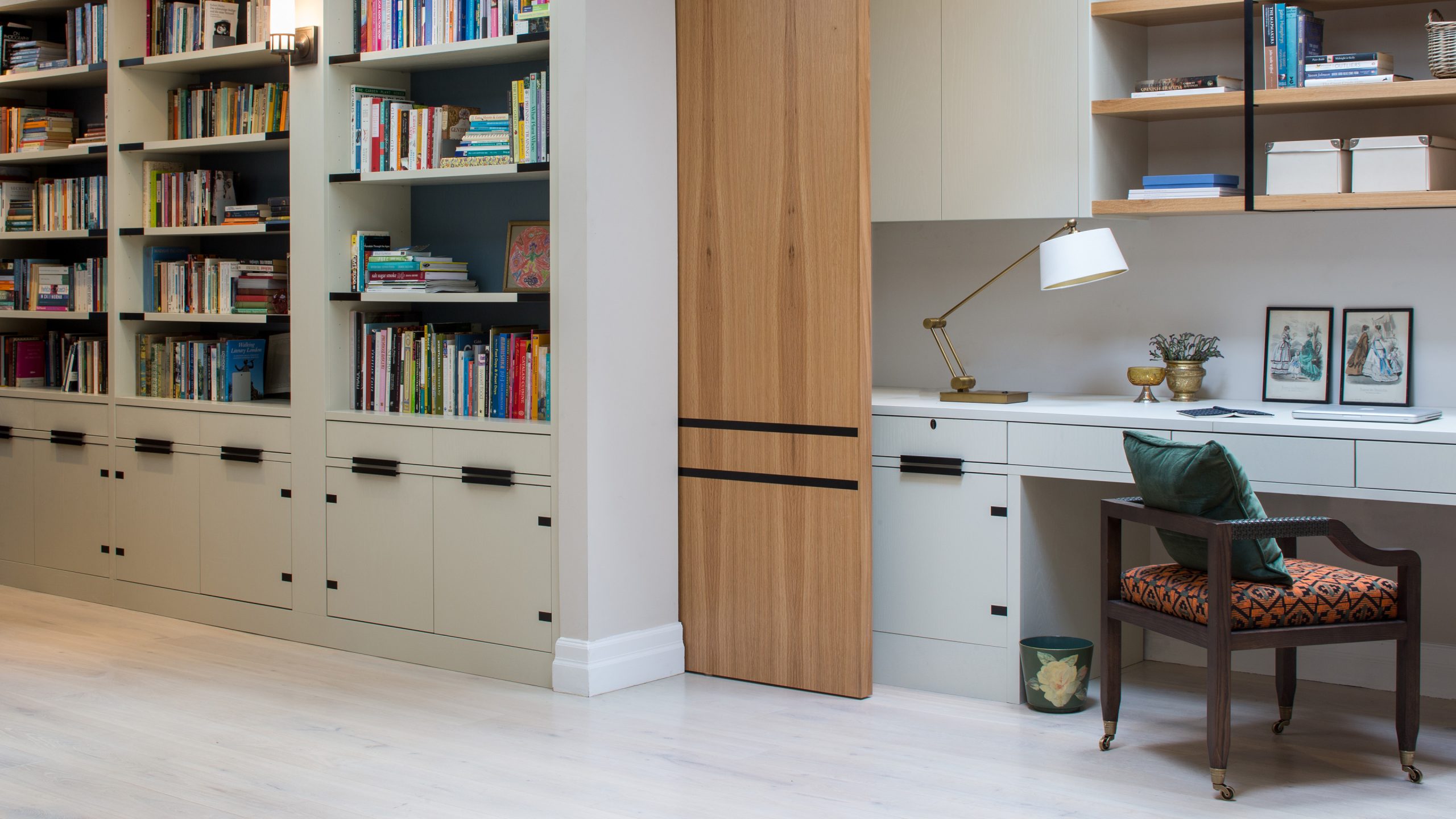
The way people live is the invisible architecture of any interior. A family with young children needs a home that absorbs real life without sacrificing beauty. A couple who travels frequently and entertains rarely has entirely different needs from one who hosts dinner parties every weekend. Someone who works from home requires a spatial logic that a purely residential brief would never surface.
These are not afterthoughts. They are the foundation. The interior design process at Roselind Wilson Design treats lifestyle not as a constraint, but as the starting point for every creative decision, from the placement of a window seat to the choice of a fabric that will age gracefully under daily use.
Material selection, in particular, is inseparable from how someone lives. A client who values tactile warmth and natural imperfection will respond differently to a polished stone surface than one who is drawn to its drama and precision. Getting that right requires knowing the person, not just the project.
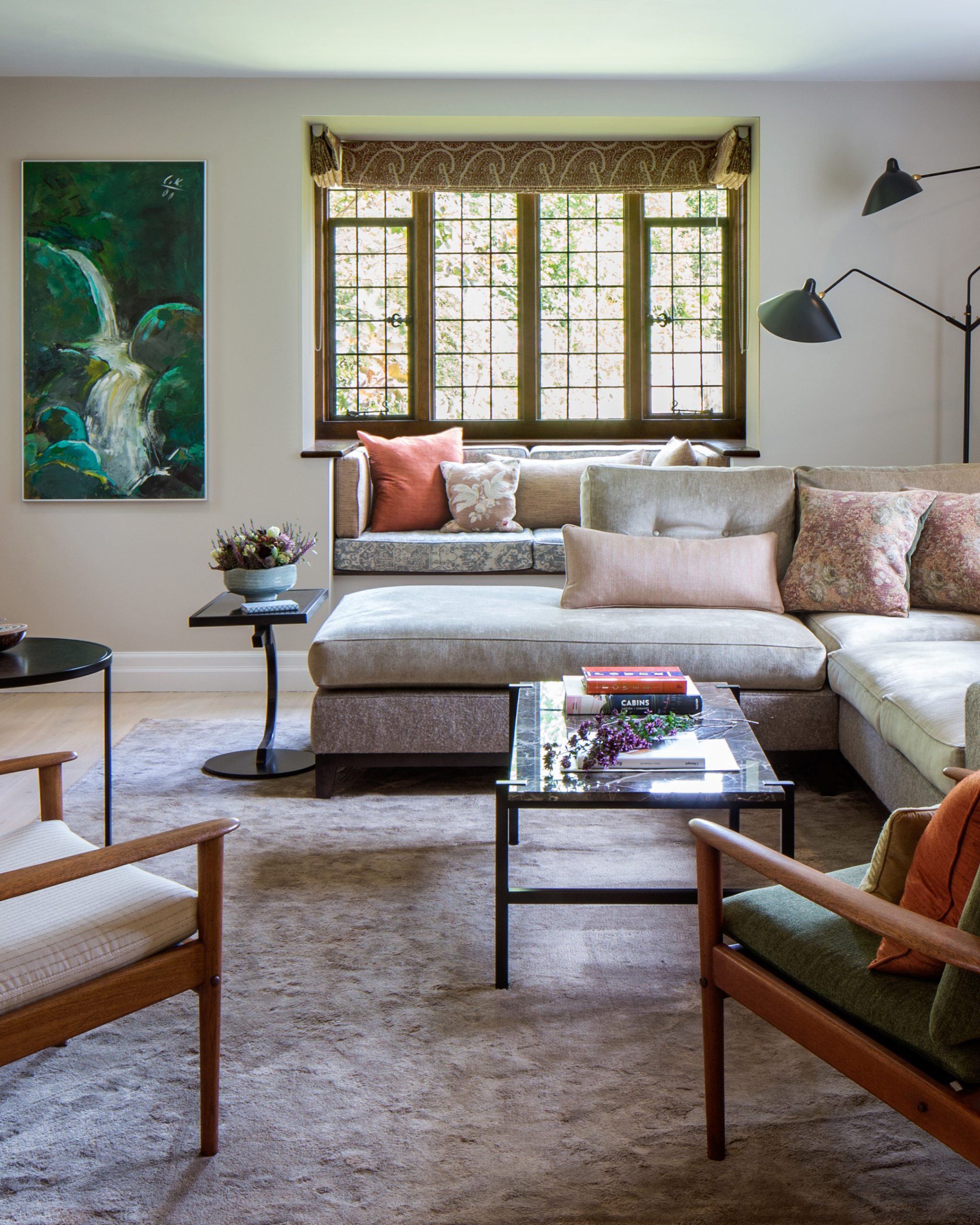
In our Richmond project, our client requested a hidden workspace, so we designed a sleek pocket door to slide neatly away, revealing an elegant yet functional desk area with integrated storage. This proved a considered solution for a busy family home, allowing the office to be closed off at the end of the day and focus to return to family life.
The Relationship Between Designer and Client
Roselind Wilson has spoken about this directly: “Every home is a story, not just the outcome, but the journey. The narrative is shaped by the relationship between designer and client, by the trust built and the details uncovered along the way.”
That trust does not arrive fully formed. It develops through dialogue and careful listening, and through a working relationship shaped over time, often over many cups of tea and honest conversations. Gradually, it becomes clear that the designer’s vision is always in service of the client and how they want to live.
This is the point at which the brief moves beyond a document and becomes the foundation of the working relationship. A luxury interior designer worth their reputation will return to it throughout a project, using it as a reference point when decisions become complex and as a compass when the creative process pulls in multiple directions.
The Gap Between Impressive and Personal
It is worth being direct about this. A poorly constructed brief produces interiors that look impressive in photographs but feel slightly wrong to live in. Spaces that are beautifully resolved on a surface level but do not quite fit the people who inhabit them. Homes where the designer’s taste is visible but the client’s personality is not.
The brief is where that gap is prevented. It is where assumptions are challenged before they become expensive mistakes, and where the client and designer establish a shared language that carries through every decision, from initial concept to final installation.
Our interior architecture work demands this rigour. When changes are structural, when walls move, proportions shift, and the bones of a property are reconsidered, the brief must be robust enough to support those decisions. There is no room for ambiguity at that level of intervention.
The Brief as a Creative Act
What the best briefs have in common is that they are genuinely collaborative. The designer brings expertise, an eye trained across hundreds of projects, and the ability to translate abstract feeling into spatial and material decisions. The client brings something no designer can replicate: the specific texture of their own life.
When those two things meet well, when the questions are good, the listening is careful, and the trust is real, the result is an interior that feels inevitable. Not designed, exactly, more as though it could not have been any other way.
That, ultimately, is what the art of the brief makes possible. Not just a beautiful home, but the right one.
Every project begins with a conversation. If you’re ready to start yours, we’d love to hear from you.