

The turn of centuries often marks pivotal moments of transformation, with old worlds fading and new possibilities emerging. The early 1900s were no different. The period following Queen Victoria’s reign and the turbulence of World War I brought significant social and economic changes, transforming Britain’s architectural landscape.
The Edwardian period (1901–1914), though brief, left a monumental impact on the architecture and décor of the time. It introduced a new housing style designed for a growing middle class, many of whom moved to the suburbs. As London expanded rapidly, residents sought less congested districts on the outskirts, made accessible by improved rail links. This suburban migration allowed middle-class families to enjoy more space and a better quality of life.
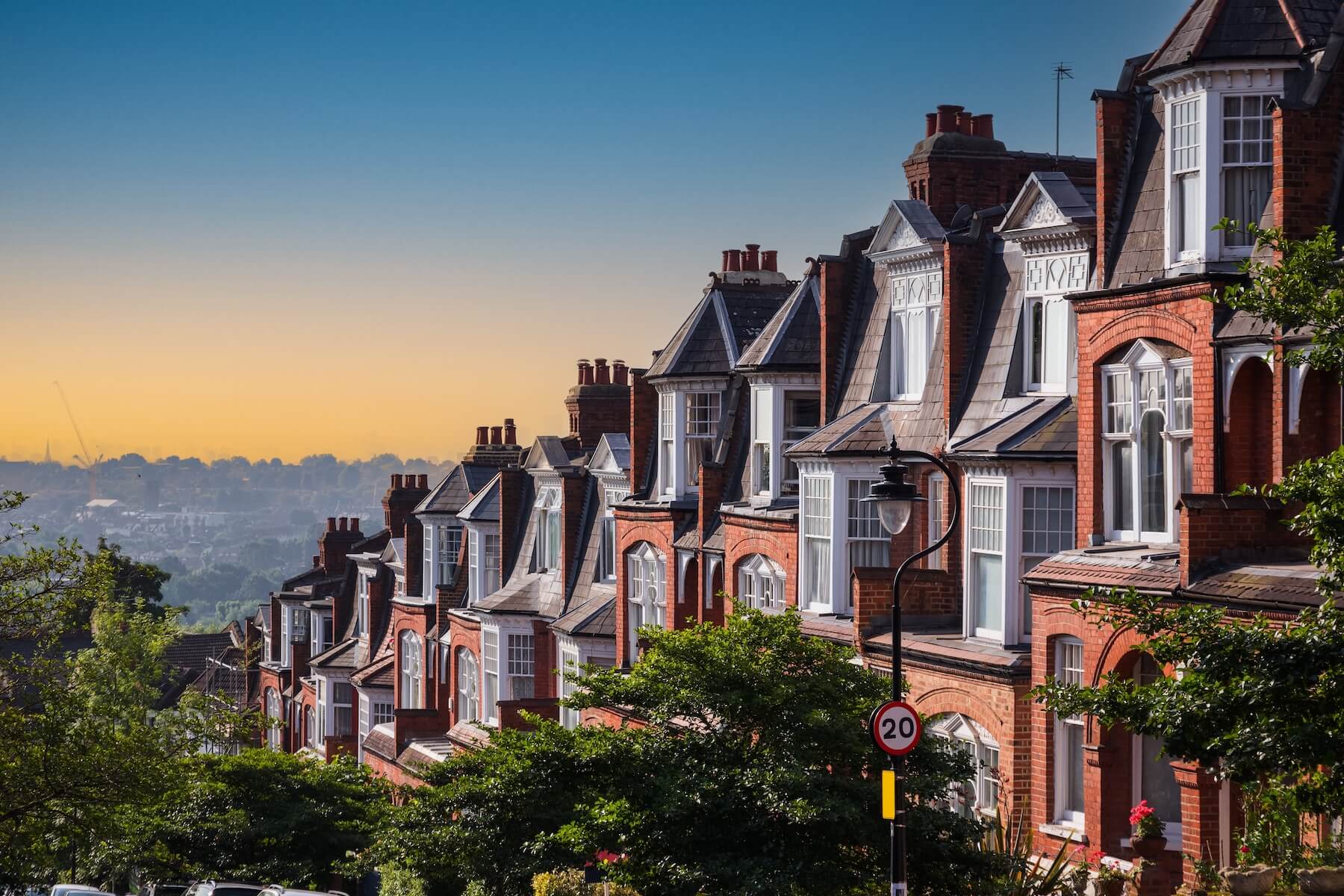
The shift from urban centres to leafy suburbs created opportunities for more expansive homes on larger plots of land. In contrast to the narrow, compact Victorian townhouses designed for dense city living, Edwardian homes offered front and back gardens, driveways, and more open layouts. These houses, often set back from the road, featured lower ceilings and emphasized comfort, light, and air—an appealing prospect for the rising middle class.
Edwardian homes were heavily influenced by the Arts and Crafts movement, which emphasized artisanry and quality craftmanship over mass production. This led to more refined and understated detailing compared to the ornate excesses of the Victorian period. The architecture of the time blended elegance with simplicity, reflecting a shift in both taste and lifestyle.
Setback from the road: Creating more privacy and space between neighbouring houses.
Spacious, brighter rooms: Larger plots allowed for wider rooms and hallways.
Larger windows: With the cost of glazing decreasing, homes embraced bigger windows for more natural light.
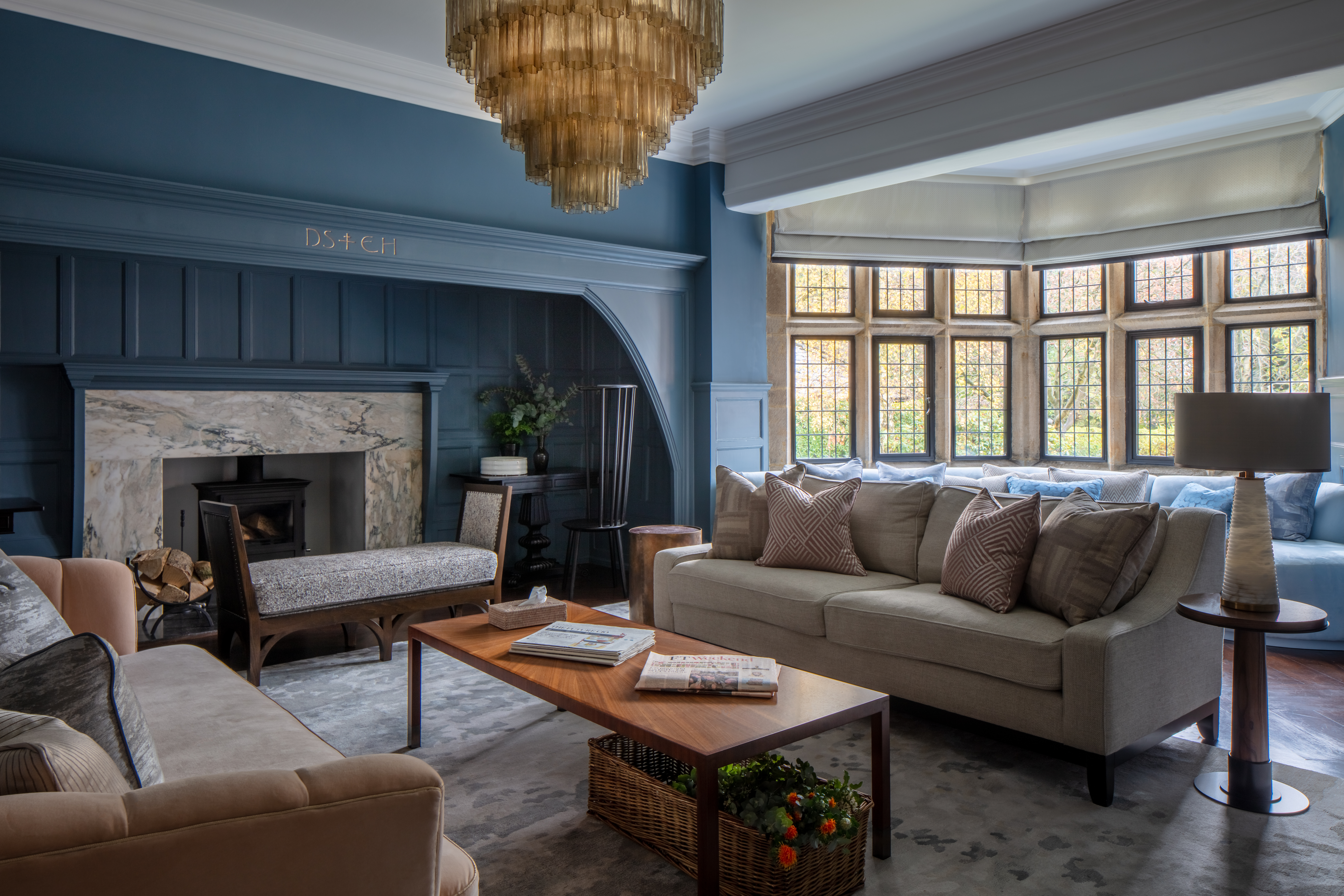
Ornate fireplaces: Fireplaces became decorative focal points, often adorned with intricate tile work and built-in shelving for ornaments.
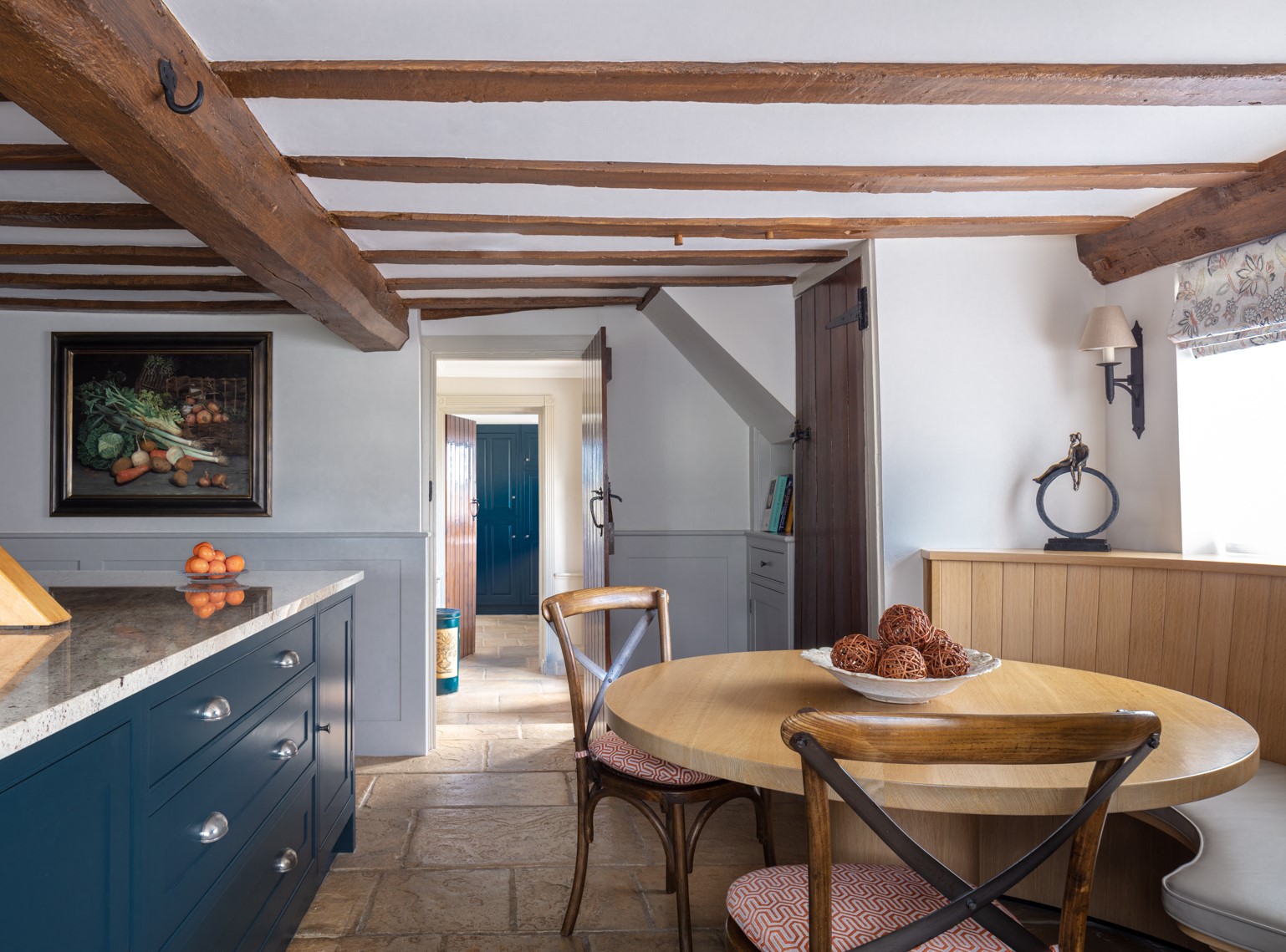
Inside, Edwardian homes embraced an eclectic mix of styles, drawing inspiration from Tudor, Georgian, and Medieval designs as well as the flowing lines and natural motifs of Art Nouveau. The influence of the Arts and Crafts movement is also evident, with its emphasis on handcrafted materials and simplicity.
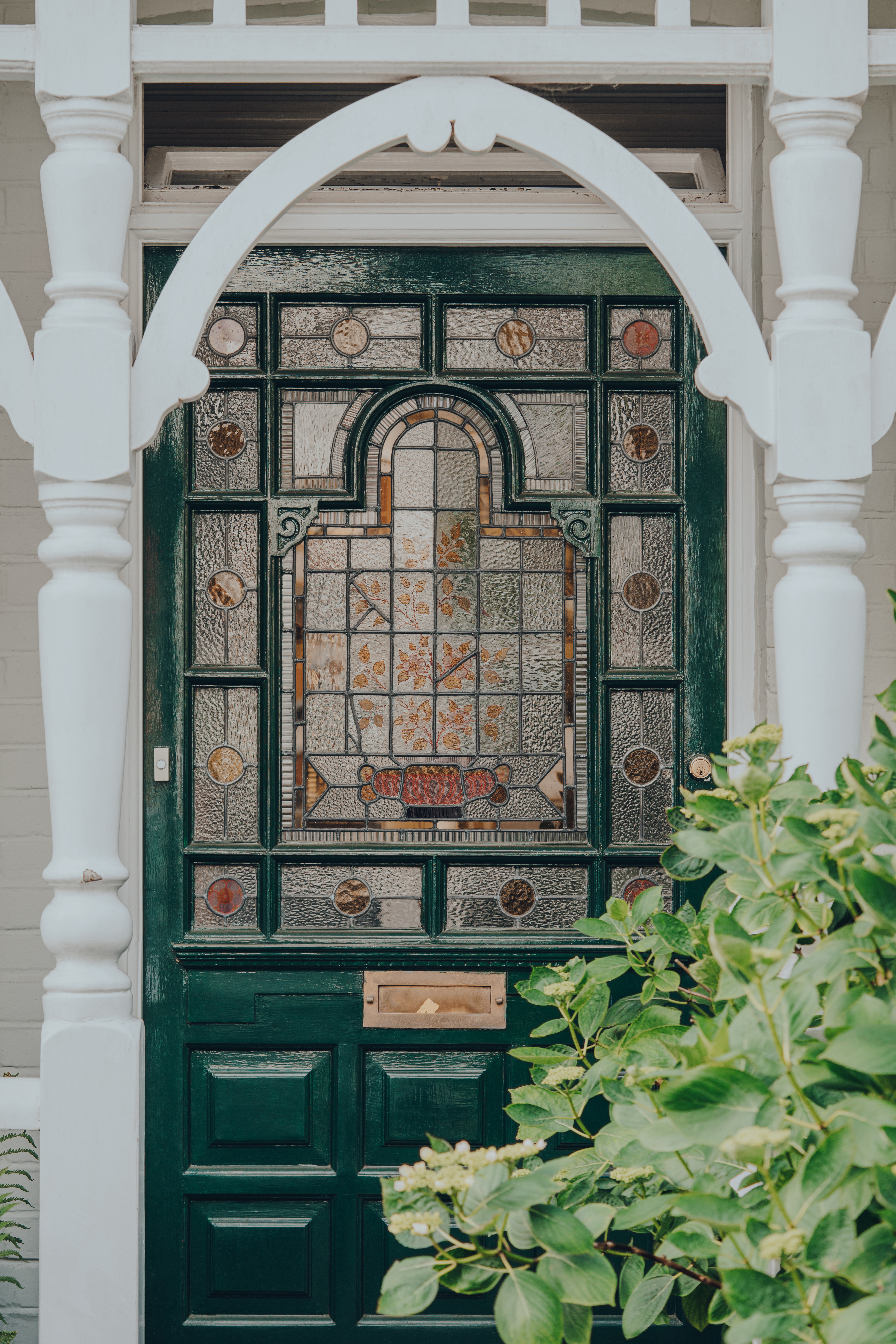
Rejecting the heavy, ornate Victorian style, Edwardian interiors favoured lighter, fresher spaces. Stained glass windows, decorative plasterwork, and tiled fireplaces were popular, blending modern influences with classic architectural details. Floral wallpapers, wicker furniture, and Persian rugs contributed to the eclectic Edwardian aesthetic.
Ultimately, the Edwardian period reflected a more relaxed and blended approach to both architecture and interior design. Homes emphasised air, light, and elegance while moving away from the overwhelming opulence of previous eras. This style mirrored the shifting social landscape, with growing interest in European travel and the integration of diverse cultural influences.
Planning a renovation for your period home? Contact our expert team today to explore how we can bring your vision to life.