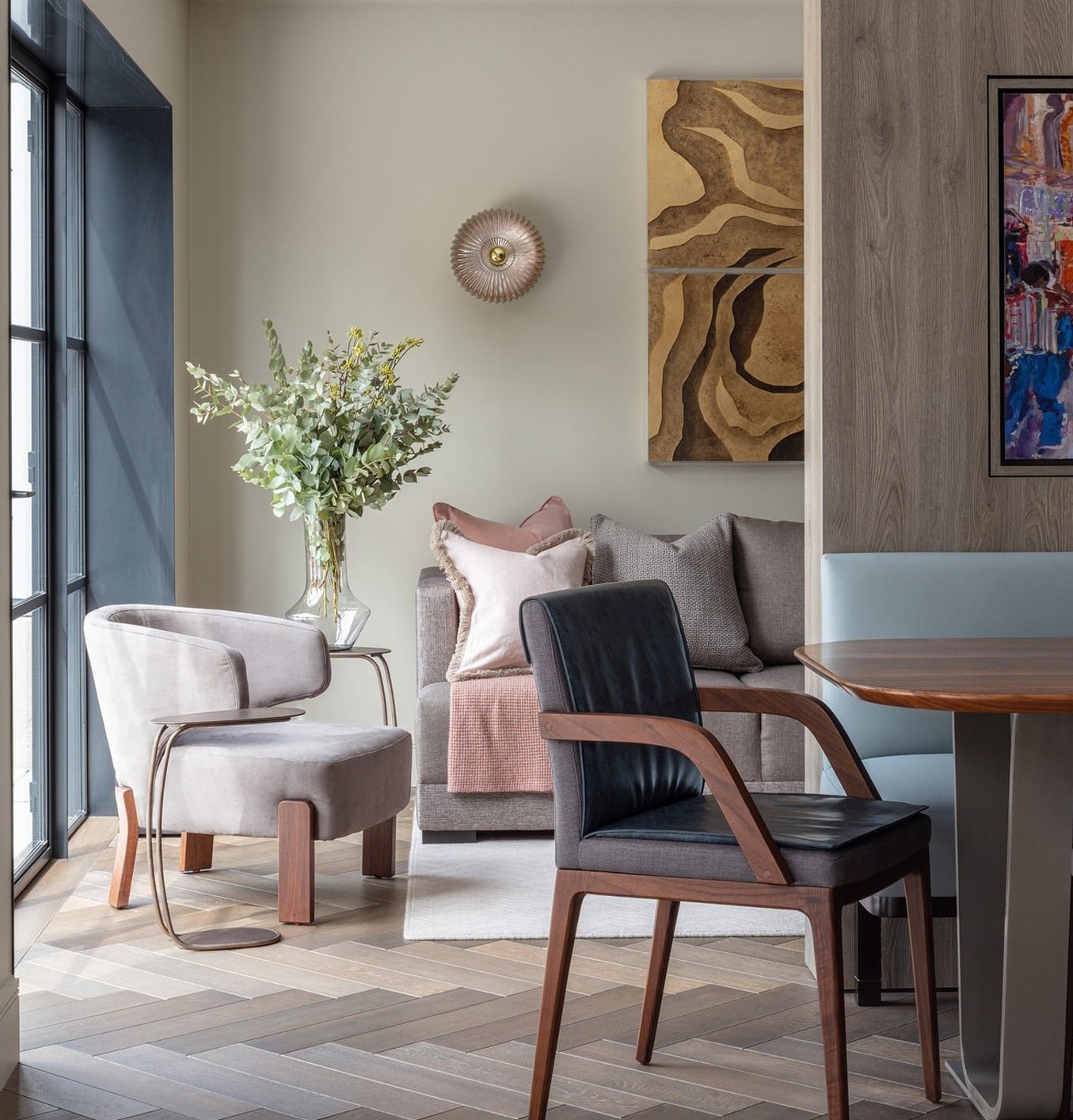
Commissioning a luxury interior designer in London is often perceived as an aesthetic decision. In reality, it is far more comprehensive.
At Roselind Wilson Design, full-service interior design is not simply about selecting beautiful pieces. It is about guiding a project from the earliest conversations through to the final styling. This ensures that every detail is cohesive, considered and enduring.
Below, we outline what that journey truly involves.
What Full-Service Interior Design Actually Involves
A full-service interior design studio in London operates far beyond decoration. It encompasses architectural evaluation, spatial planning, technical drawing packages, contractor coordination and complete installation oversight.
For clients investing in prime London property, whether a listed townhouse in Kensington or a contemporary apartment in Mayfair, clarity of process provides reassurance. A phased approach ensures that creativity is supported by structure, and that design intent is protected from concept through to completion.
Phase One | Initial Consultation
Understanding the Client Lifestyle
Every project begins with listening. The way a client lives, how they entertain, relax, work and travel, shapes the design direction. A home must feel intuitive, not imposed.
As a residential interior designer in London, understanding routines and long-term aspirations is fundamental. Whether creating layered family spaces or refined entertaining rooms, the interior must reflect the people who inhabit it.
“Every client is unique, and so is every home. By understanding their tastes, habits, and personality, we create interiors that are an authentic reflection of who they are.”
- Roselind Wilson, Creative Director
Architectural Assessment
Alongside understanding lifestyle, we assess the architectural framework of the property. Ceiling heights, natural light, circulation patterns and structural constraints inform every decision.
In period or listed properties, particular sensitivity is required. Original features and historical detailing often guide spatial reconfiguration, where careful consideration must be given to how materials, finishes and structural elements are treated, ensuring that design interventions respect the historical context and preserve existing architectural features. A strong interior architecture foundation ensures that aesthetic decisions enhance, rather than compete with, the building itself.
Phase Two | Concept Development
Mood Boards
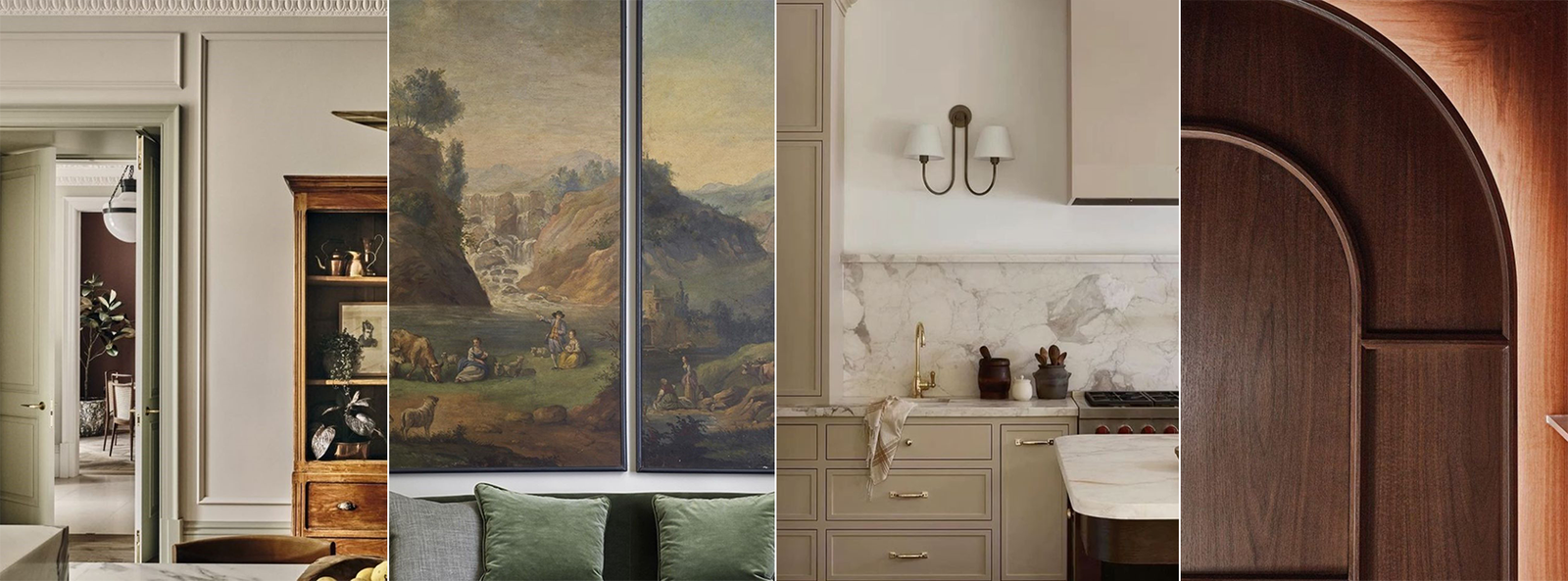
Once the groundwork is established, a visual narrative begins to take shape. Carefully curated mood boards define atmosphere, tone and identity.
This stage captures the emotional essence of the project, aligning materiality and colour with architectural character.
Material Palettes
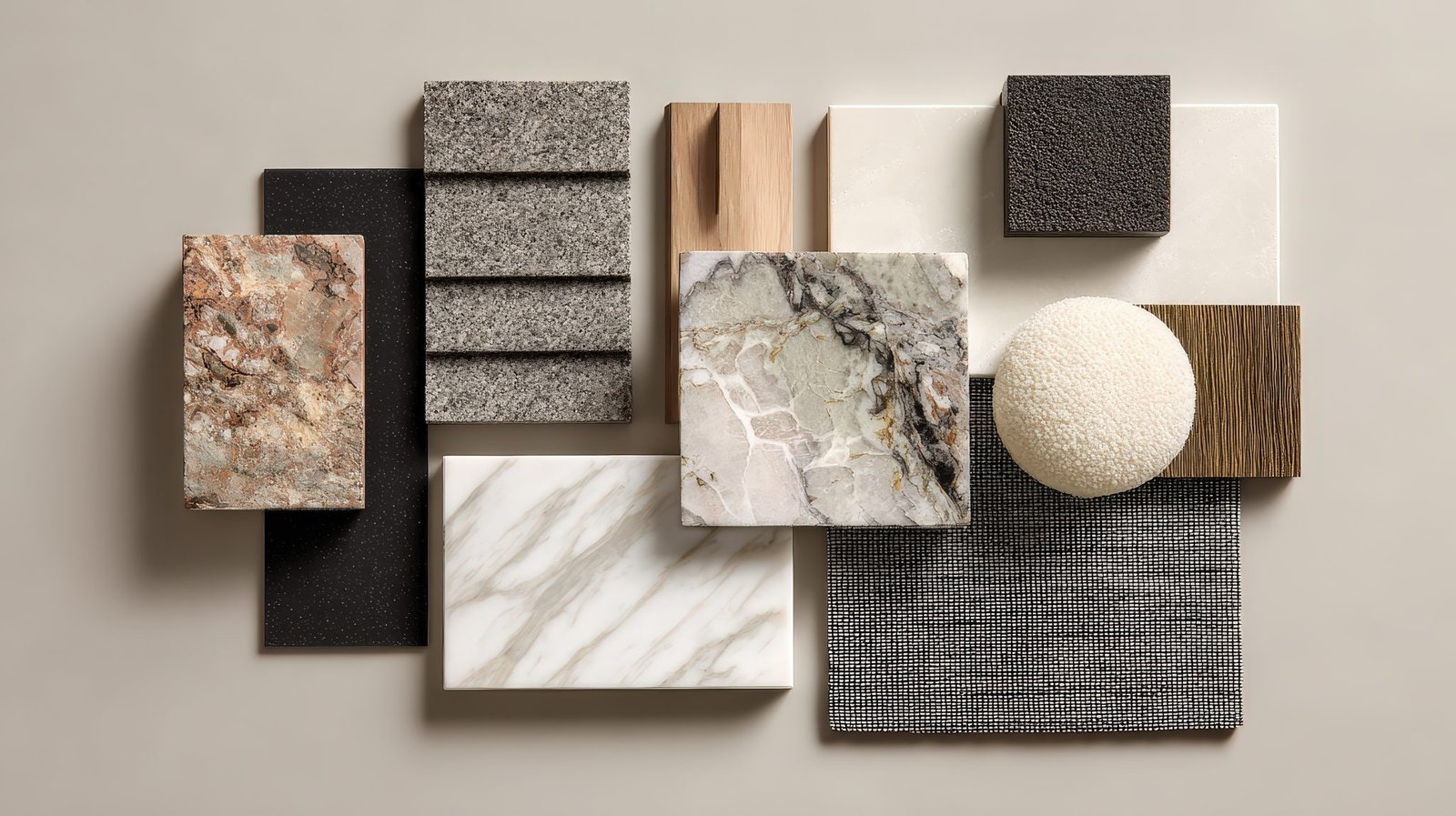
Materials are selected not only for visual impact but for longevity. Natural stone, bespoke joinery finishes and layered textiles are considered in harmony, ensuring cohesion throughout the home.
Spatial Planning
Spatial planning refines how the home functions. Layout adjustments, bespoke storage solutions and circulation improvements are explored to maximise both comfort and flow.
At this stage, design transitions from concept to tangible form. This balances creativity with practical intention.
Phase Three | Technical Design
Detailed Drawings
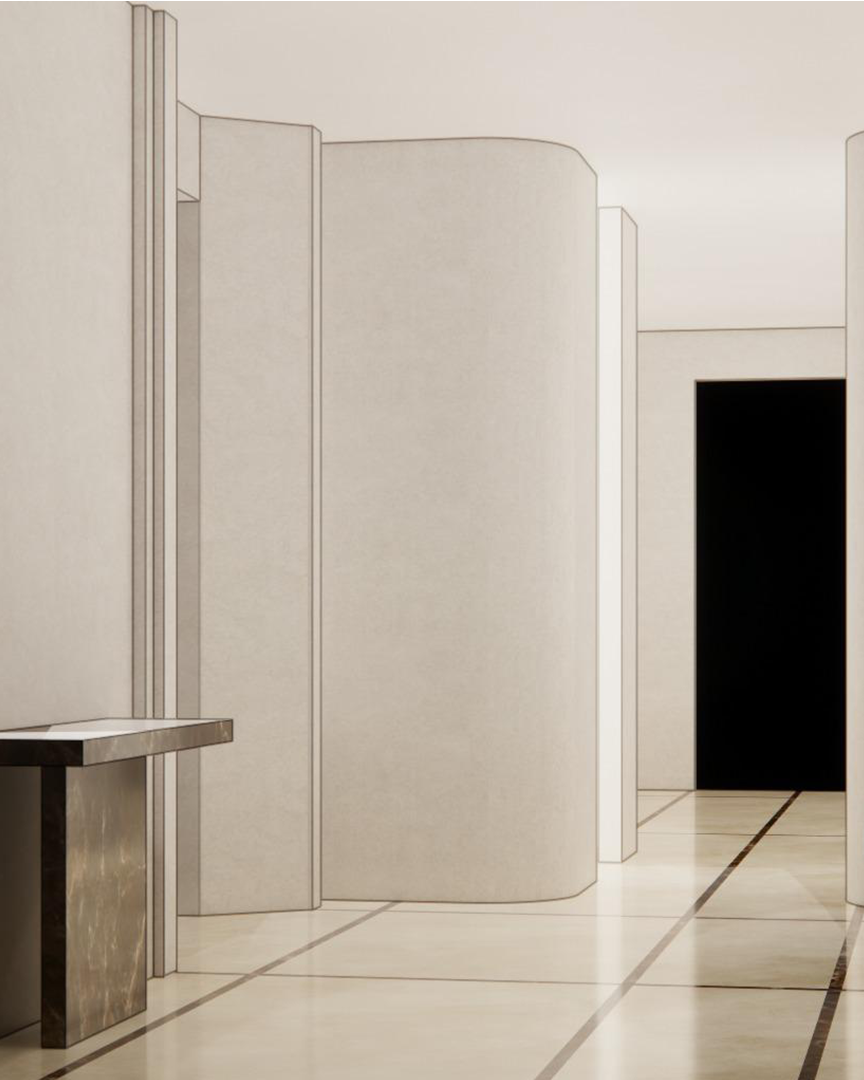
Behind every refined interior lies a comprehensive technical package. Detailed drawings communicate dimensions, finishes and construction requirements to contractors and craftsmen. Precision at this stage protects the integrity of the design.
Lighting Plans
Lighting is treated architecturally, not decoratively. Layered schemes are mapped to enhance architectural features and create atmosphere from day to evening.
In many London homes, lighting strategy is key to overcoming limited natural light or enhancing period proportions.
Joinery Details
Bespoke joinery forms a defining element of many projects. From cabinetry to integrated storage, elevations and sections are carefully drawn to ensure seamless fabrication.
This technical depth distinguishes an established interior design studio in London from a purely decorative consultancy.
Phase Four | Procurement and Project Management
Contractor Coordination
Design excellence relies on collaboration. Regular site visits and communication with contractors ensure alignment between concept, design and implementation.
Supplier Management
Sourcing bespoke furniture, finishes and specialist pieces requires careful liaison with suppliers and artisans. Lead times, logistics and quality control are actively managed throughout.
Phase Five | Installation and Styling
Final Placement
Installation brings months of preparation together. On handover day, we will ensure that every cornice, curtain and cushion is perfect before we consider our work for you to be complete.
Art Curation
Artwork introduces personality and narrative. Pieces are selected and positioned to complement both architecture and interior scheme.
Layering Textiles
Textiles add warmth and depth, softening architectural lines and enriching atmosphere. It is this final layering that transforms a well-designed space into a home with a lived-in appeal.
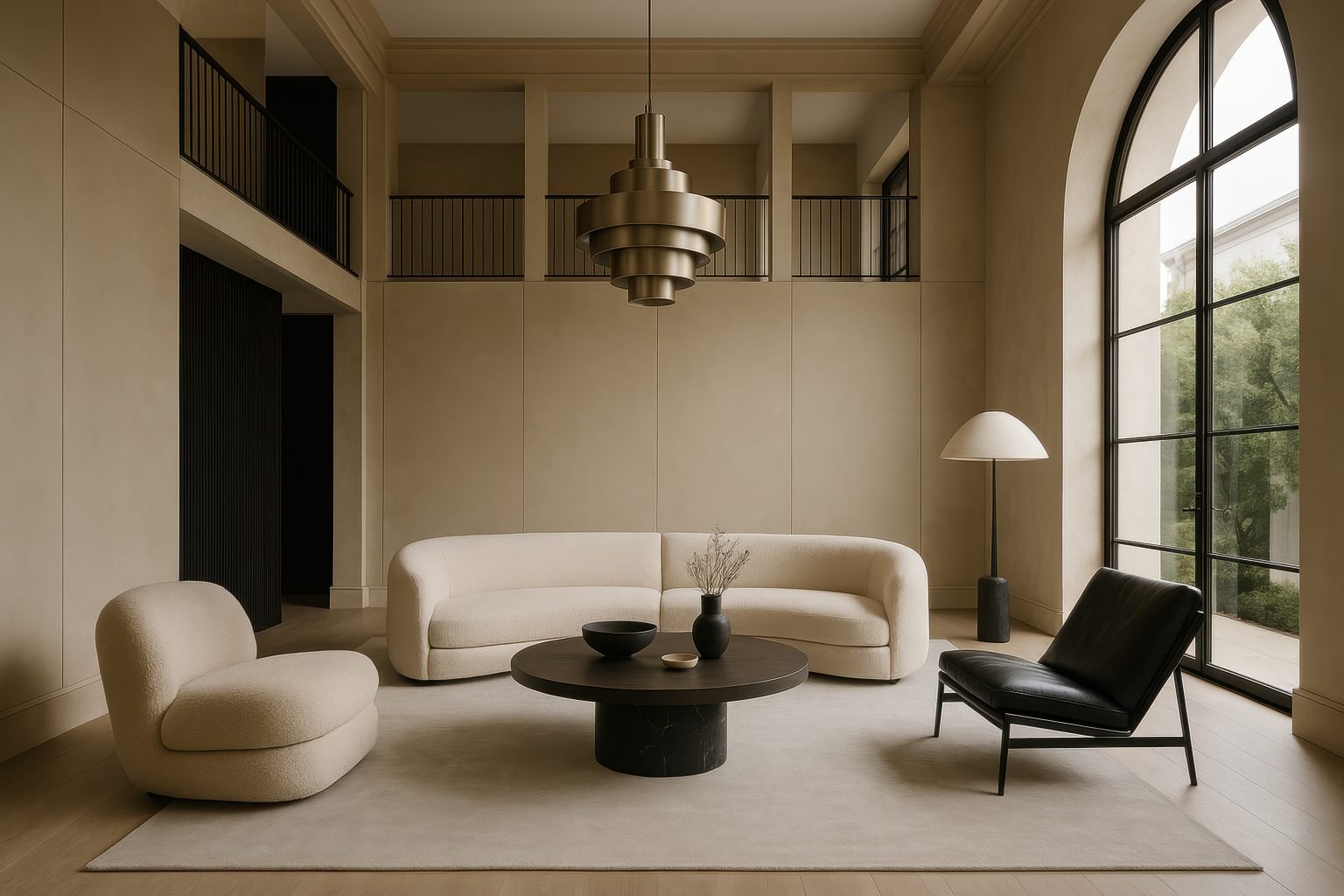
The Value of an Established Interior Design Studio
From concept to completion, a structured process allows design to unfold with clarity and control. Each phase builds upon the last, ensuring the final result feels cohesive, resolved and considered.
Working with an experienced interior design studio provides our clients with the reassurance that both creative vision and technical detail are handled with expert direction.
At Roselind Wilson Design, our role extends beyond aesthetics. We guide each project with architectural sensitivity, disciplined management and meticulous attention to detail, delivering interiors that feel seamless from first sketch to final styling.